Things to Do in Agra Beyond Taj Mahal | Hotel in Agra Near Taj Mahal – Hotel Avnish
Looking for things to do in Agra beyond the Taj Mahal? Explore forts, markets, food, and hidden gems while staying at a hotel in Agra near the Taj Mahal for a complete experience.
STORIES FROM HOTEL AVNISHHOSPITALITY & STAYS
The Host, Hotel Avnish
4/4/20263 min read
Beyond the Taj: What Else You Can Do in Agra
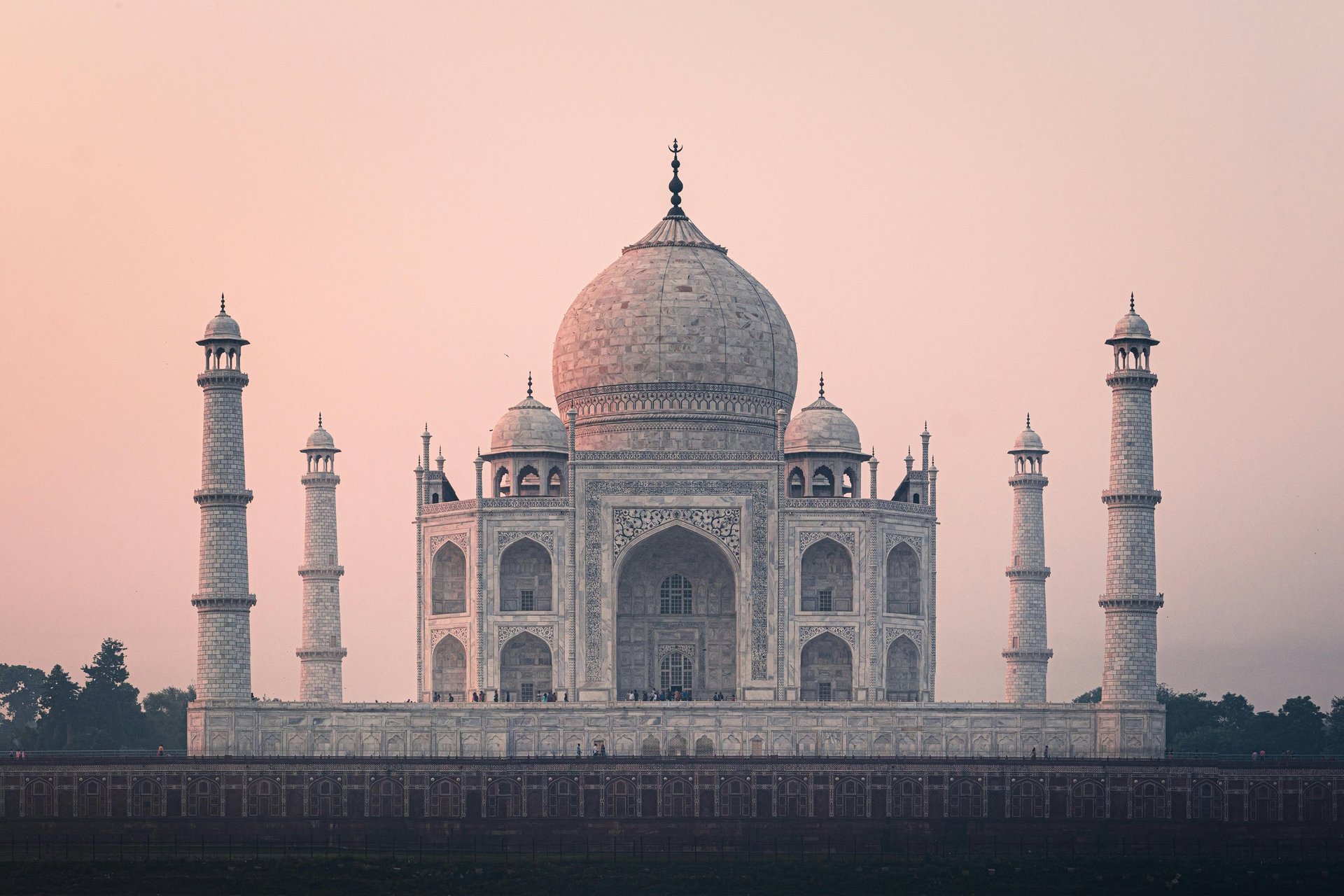
Yes, Taj Mahal is breathtaking. The first glimpse has a way of quieting everything around you. Conversations pause, footsteps slow, and for a moment, nothing else seems to matter.
But Agra doesn’t begin and end there. If you leave Agra after just that one visit, you’ve only read the first page of a very rich book.
If you’re searching for the best things to do in Agra beyond the Taj Mahal, the city unfolds gradually. Not in a rush, but in layers—through its history, its craftsmanship, its food, and the subtle rhythm of everyday life.
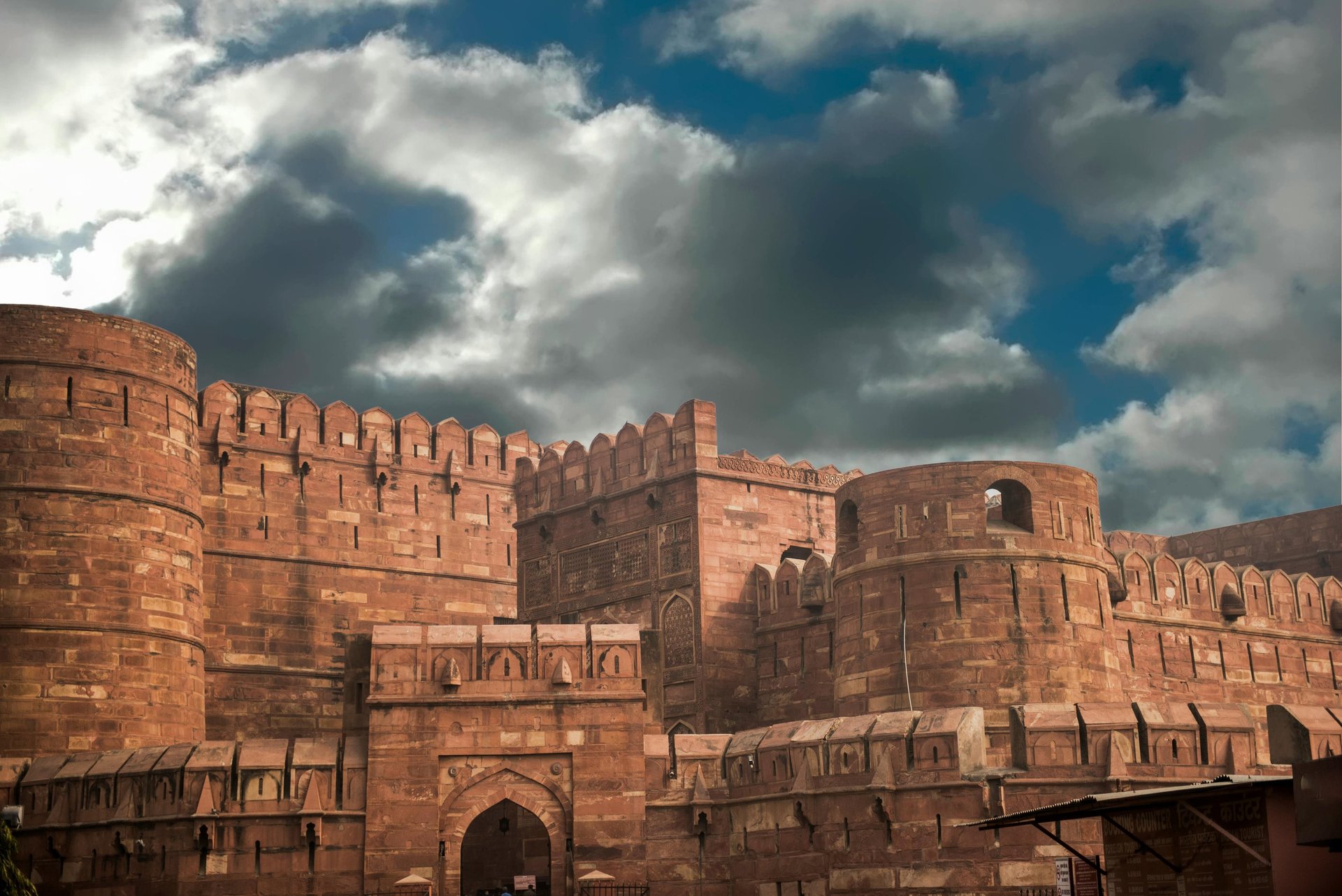
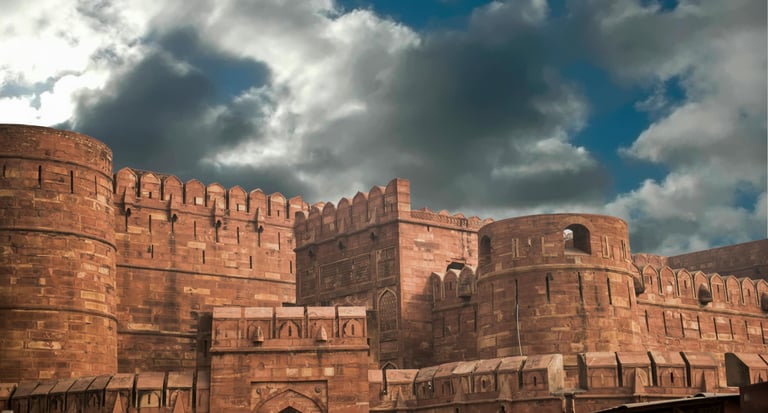
Begin with Agra Fort. Just minutes away, yet worlds apart in character. Built in red sandstone, the fort carries centuries of Mughal history within its walls. Walk through expansive courtyards, quiet passageways, and intricately designed halls. Pause at the balconies that frame distant views of the Taj.
Visit early in the morning or around sunset for a more serene experience. This is when Agra Fort feels less like a tourist stop and more like a living narrative.
From here, move toward Mehtab Bagh by evening. Set along the Yamuna River, this Mughal garden offers one of the most peaceful views of the Taj Mahal. As the light softens, the monument shifts in tone, reflecting hues of gold and ivory. It’s one of the most calming places to visit in Agra at sunset.
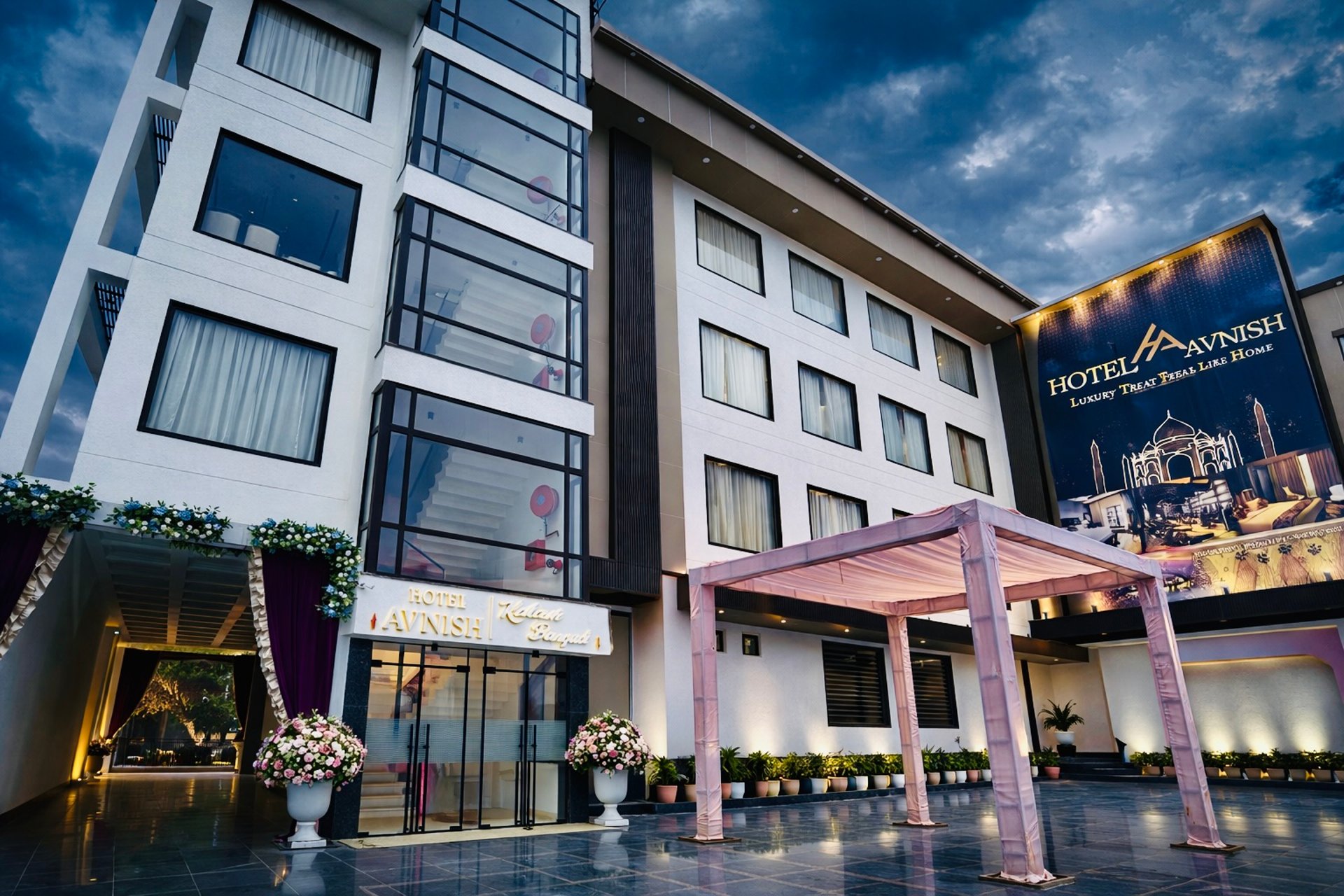
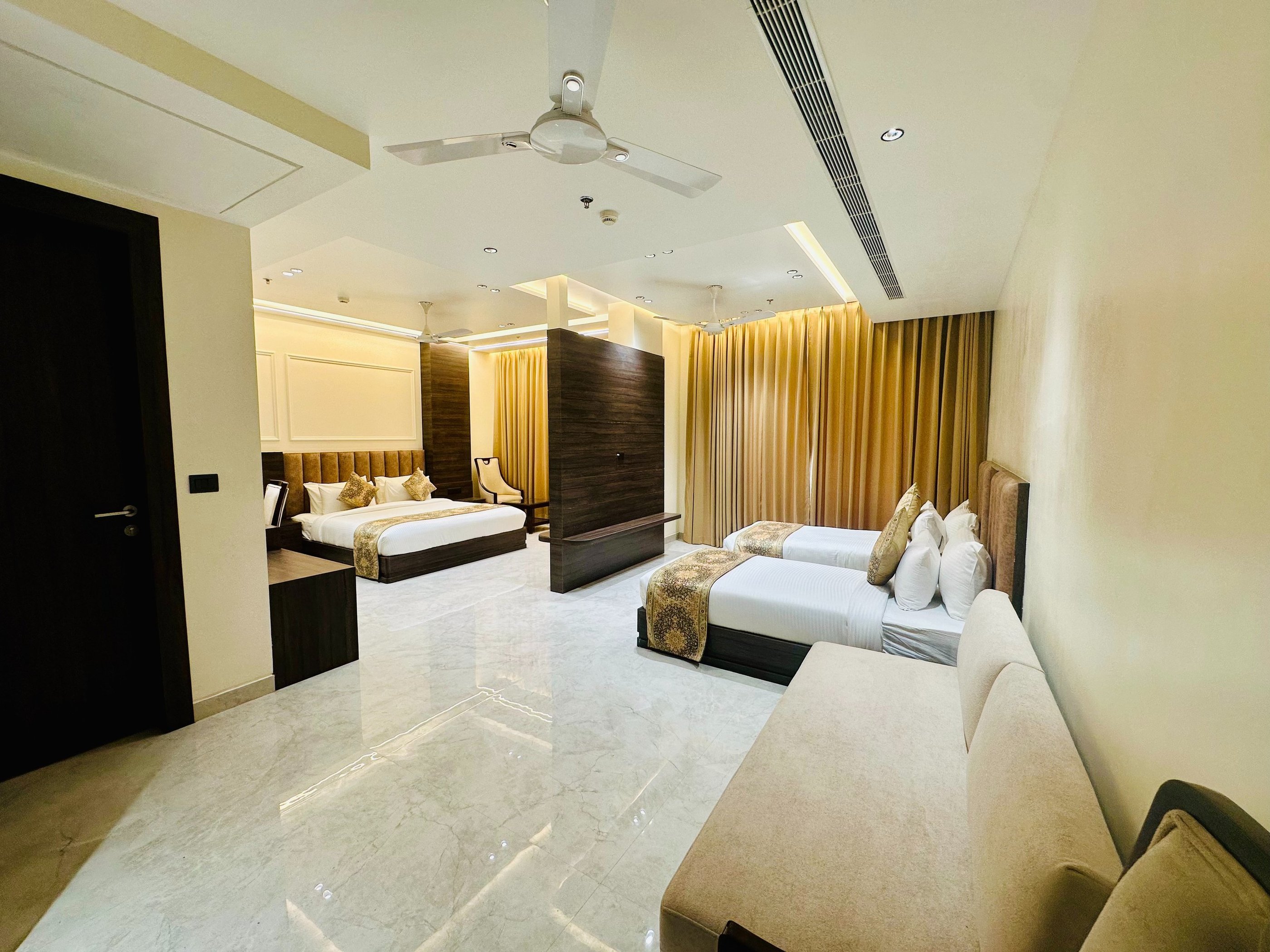
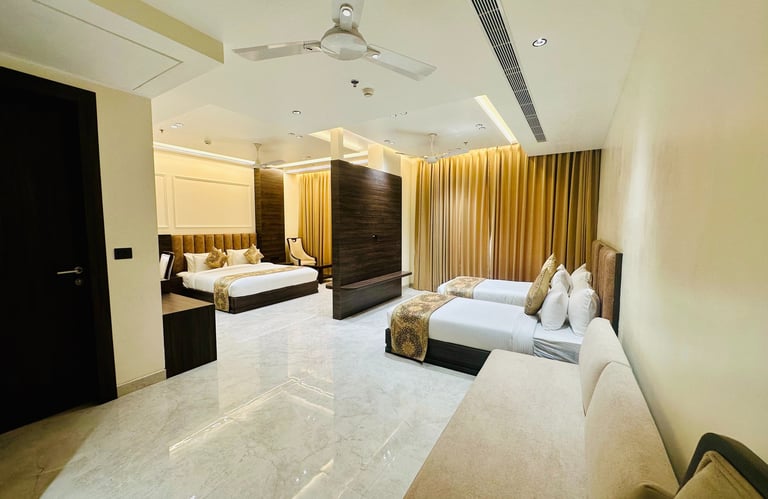
After exploring the top places to visit in Agra, where you stay becomes an essential part of the experience. Choosing a hotel near the Taj Mahal allows you to move through the city with ease, without feeling rushed.
At Hotel Avnish, guests often return with more than photographs. They carry stories—of marble glowing in soft light, of quiet gardens, of evening rooftops, and of moments that weren’t planned but became unforgettable.
Agra was never just about one monument.
It’s a city that reveals itself slowly—and stays with you, long after you leave.
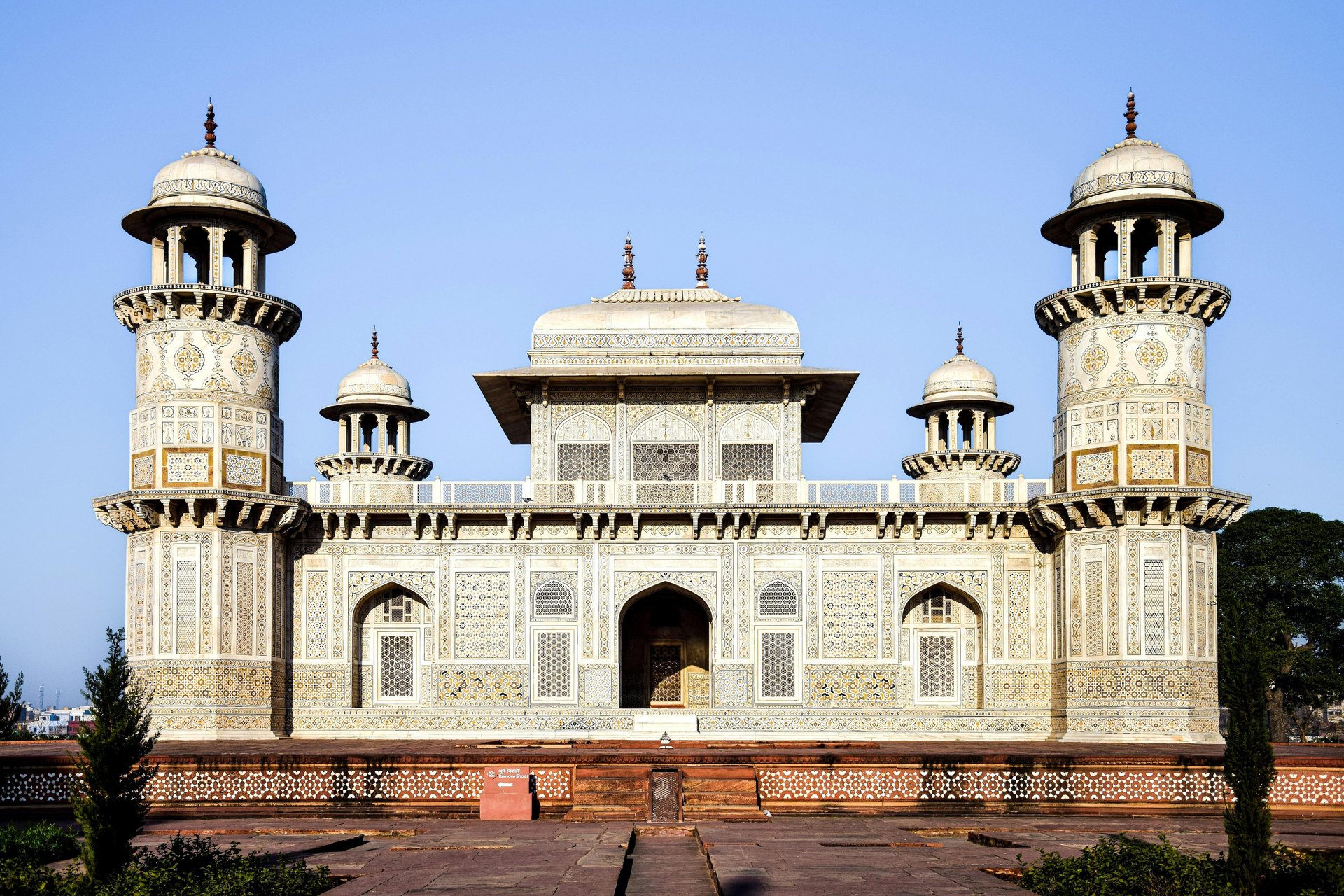
Itmad-ud-Daulah’s Tomb, often referred to as the Baby Taj, reveals the finer side of Mughal artistry.
Here, the marble speaks in detail. Delicate floral patterns are created using pietra dura, an intricate inlay technique where semi-precious stones are carefully embedded into marble. This craftsmanship is not just historical—it continues to define Agra today.
Across the city, marble inlay workshops keep this tradition alive. Skilled artisans shape, polish, and set each stone by hand, often using techniques passed down through generations. Visiting these workshops offers a deeper, more authentic experience for those interested in Agra’s cultural heritage and handicrafts.
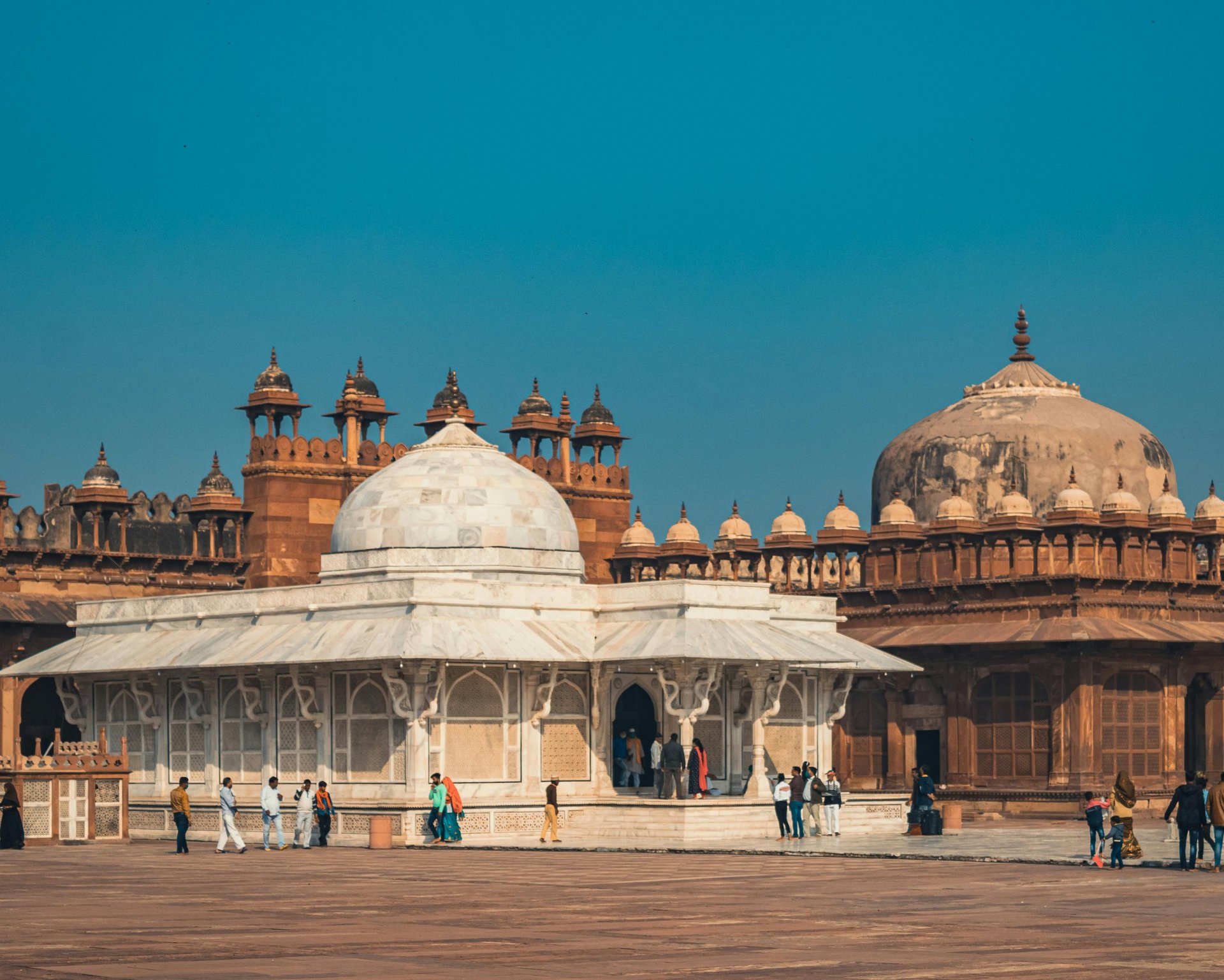
A short journey takes you to Fatehpur Sikri, the grand yet abandoned capital of Akbar. Its vast courtyards and towering gateways create a sense of scale, while the stillness adds a quiet, almost cinematic quality.
Closer to the city, Akbar’s Tomb offers a more tranquil setting. Surrounded by gardens, it’s ideal for a slower, more reflective visit.
You can also explore Dayalbagh Temple, known for its ongoing marble work, or Guru Ka Taal, a peaceful gurdwara that welcomes visitors with simplicity and warmth.
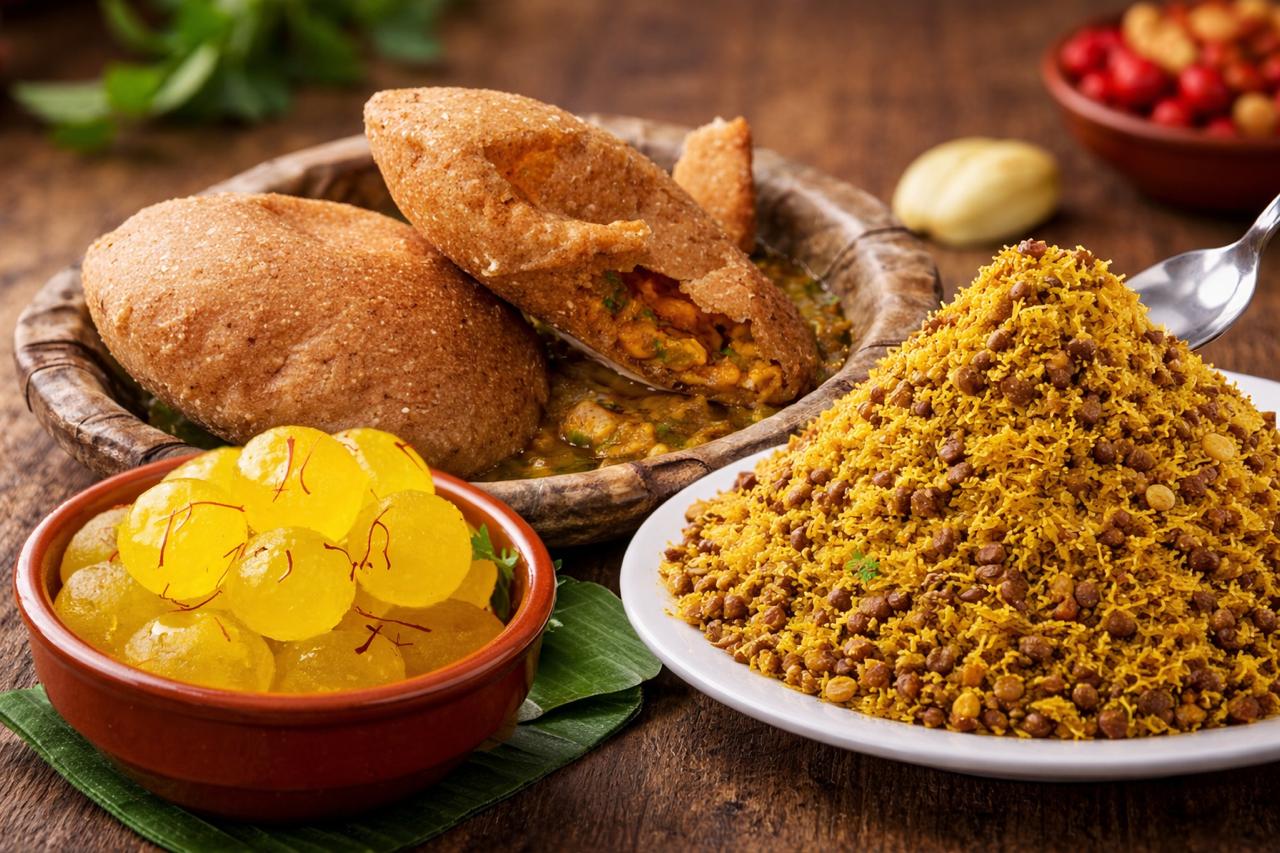
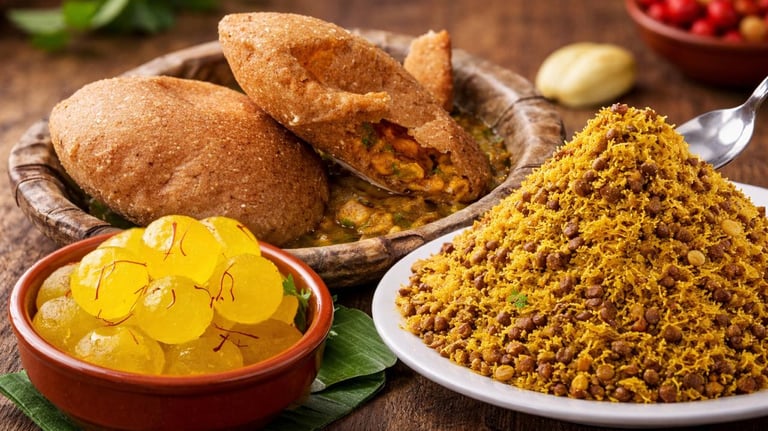
And then there’s the food. Agra’s flavors are simple yet memorable. Try the iconic Petha, the crunchy spice of Dalmoth, and a traditional breakfast of bedai with aloo sabzi. These dishes are not just meals—they’re part of the city’s identity..
Agra’s nightlife is subtle, yet deeply atmospheric.
Around Tajganj, evenings are best spent on rooftop cafés and open terraces. Soft lighting, gentle music, and skyline views create an experience that feels intimate rather than overwhelming. On clear nights, you may even catch a distant glimpse of the Taj Mahal under moonlight.
No visit is complete without experiencing Sadar Bazaar.
Lively and full of character, it offers everything from leather goods to local snacks. The energy here is unmistakable—busy streets, vibrant storefronts, and the constant hum of conversation.