Where to Stay in Agra: A Local’s Guide to Choosing the Perfect Area for Your Visit
Planning a trip to Agra? Discover the best areas to stay, from Fatehabad Road to Taj Ganj, with local insights, travel tips, dining recommendations, and everything you need to choose the perfect location for your visit.
TRAVEL ADVICETRAVEL JOURNALHOSPITALITY & STAYS
The Host, Hotel Avnish
7/12/20265 min read
Final Recommendation
There's no single "correct" place to stay in Agra, only the right fit for the kind of trip you're having. But for most visitors, particularly those visiting for the first time, a well-connected area near the Taj Mahal and the city's major attractions tends to offer the most balanced experience: manageable distances, reliable infrastructure, and enough local texture to still feel like Agra rather than an airport transit lounge.
In the end, what travelers carry home from Agra is rarely just a photograph of white marble. It's a mosaic of smaller moments, a sunrise that turned the Taj faintly pink, a conversation with a marble artisan who's been carving the same flower pattern for thirty years, a wrong turn into a market that turned out to be the best part of the day, a quiet dinner at Raasa Restaurant after hours of walking, and the simple relief of returning to a comfortable hotel at the end of it all. Choose your neighborhood well, and Agra has a way of becoming more than the monument you came to see.
Where to Stay in Agra: A Local's Guide to Choosing the Perfect Area for Your Visit
The first glimpse of Agra rarely comes from the Taj Mahal. It comes from the taxi window, a blur of marble workshops, chai stalls, and cycle-rickshaws weaving past centuries-old sandstone walls. Most travelers arrive here expecting a single monument. What they don't expect is a city that keeps unfolding long after the Taj has been photographed from every angle.
That's the part first-time visitors underestimate: where you stay in Agra shapes everything else about your trip. Choose well, and you get sunrise views, easy access to the city's better restaurants, and a base that makes the heat and traffic feel manageable. Choose poorly, and you spend half your trip stuck in transit between attractions. Agra isn't just a monument, it's a living, breathing city with Mughal history baked into its streets, a food culture that rewards curiosity, and neighborhoods with genuinely different personalities. Before booking anything, it helps to understand what those personalities actually are.
A City Built Around an Empire
Agra's story doesn't begin with Shah Jahan, though he's the name most travelers know. It begins with Akbar, who moved his capital here in the 16th century and built the Agra Fort into the seat of one of the most powerful empires on earth. His son Jahangir preferred gardens and poetry to warfare, and it was under his rule that Agra developed the refined, leisurely character still visible in its riverside layouts today.
Then came Shah Jahan, whose grief over his wife Mumtaz Mahal produced the building the whole world now travels to see. What fewer people know is that the Taj Mahal took roughly 22 years and thousands of artisans to complete, many of whom were drawn from across the empire and, according to local lore, some of whom never left, settling permanently in the city and passing their craft down through generations of marble inlay workers who still practice it today.
The Yamuna River, meanwhile, wasn't just scenery. It was the empire's logistical spine, ferrying materials and connecting Agra to Delhi long before either city had a road worth naming. Understanding this, that Agra was once a capital, not a day-trip destination, changes how you experience it. This was a city built for people to live in, not just visit.
Understanding Agra's Main Areas
Tourists generally settle into one of three areas, and each offers a distinctly different version of the city.
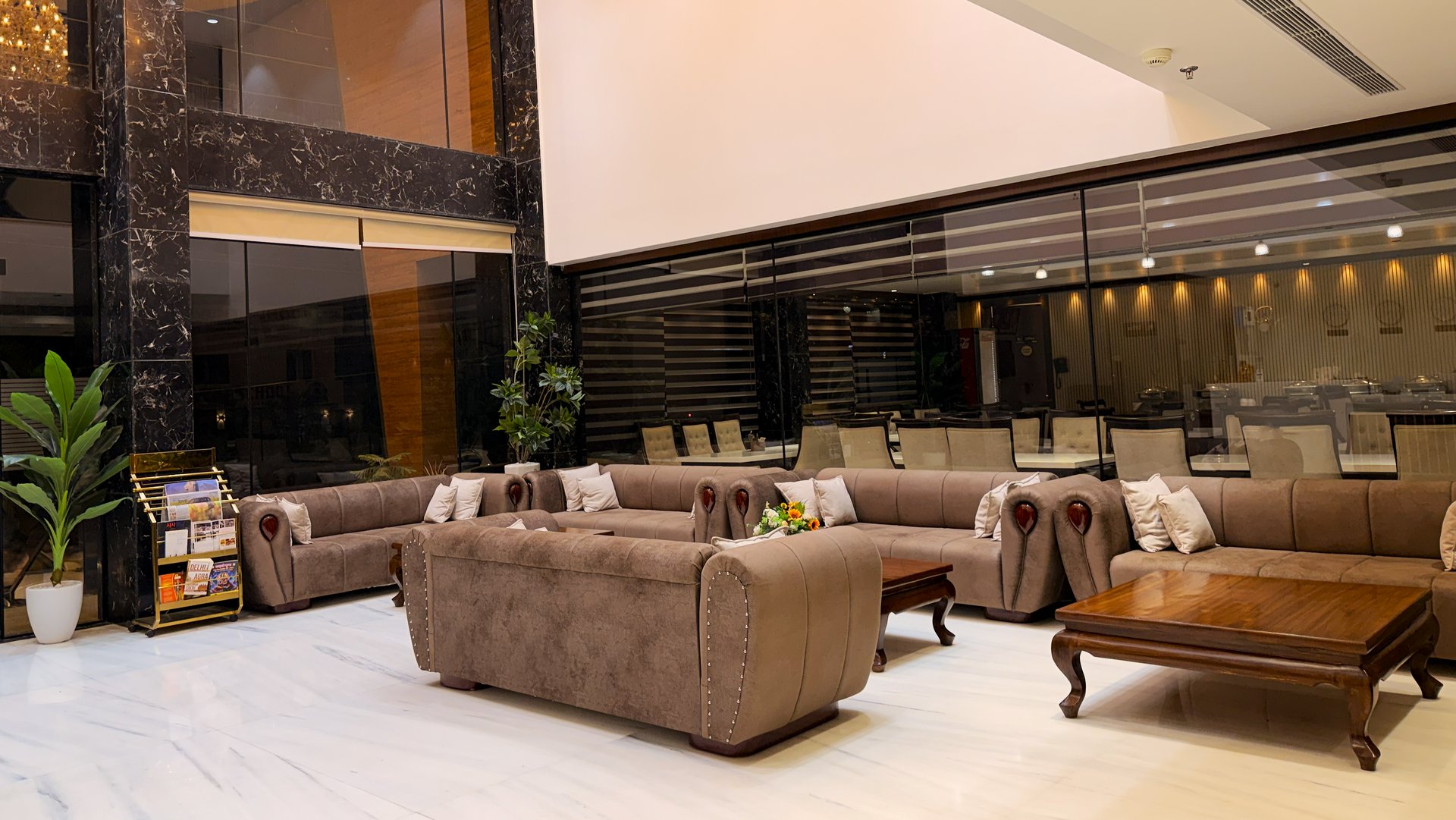
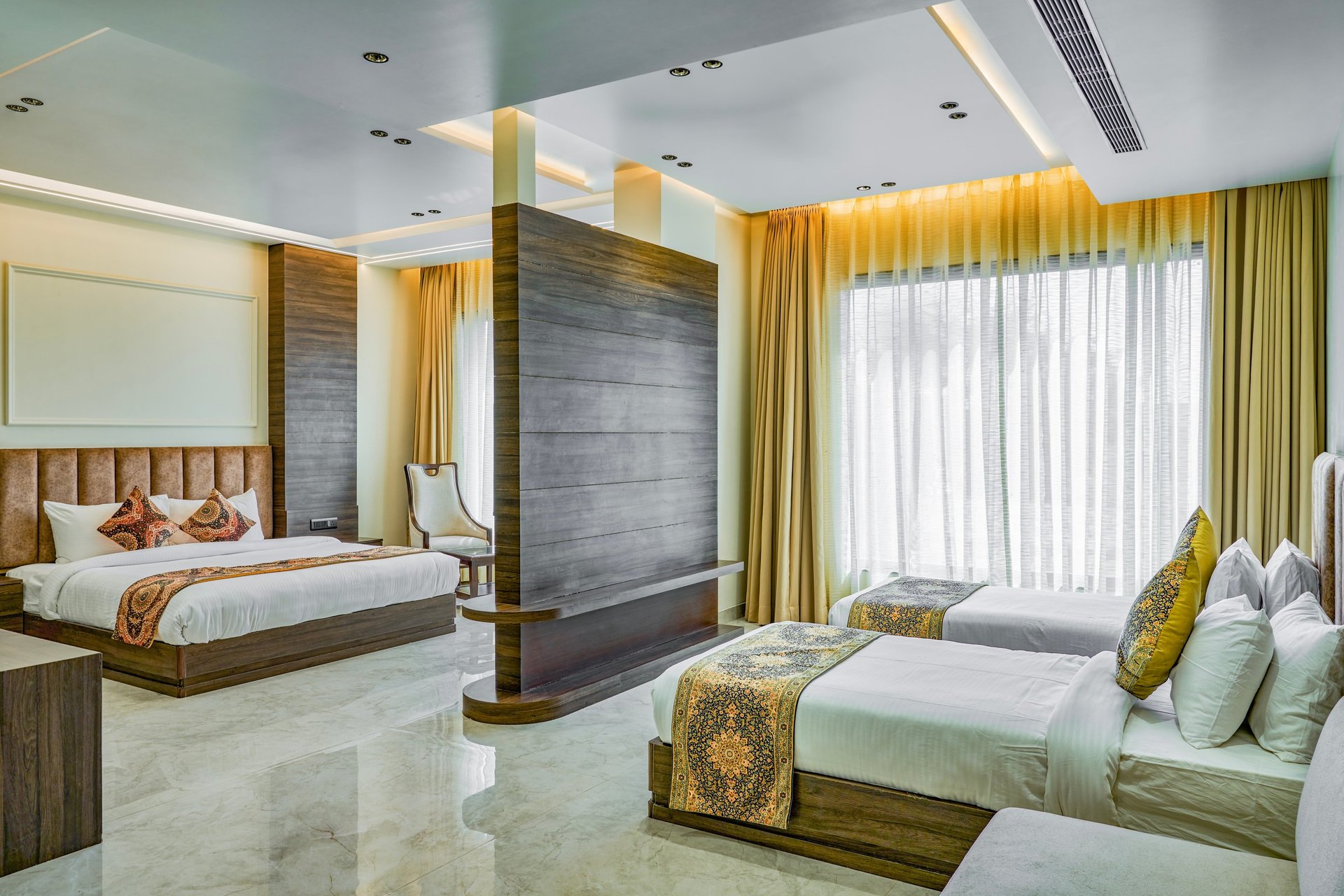
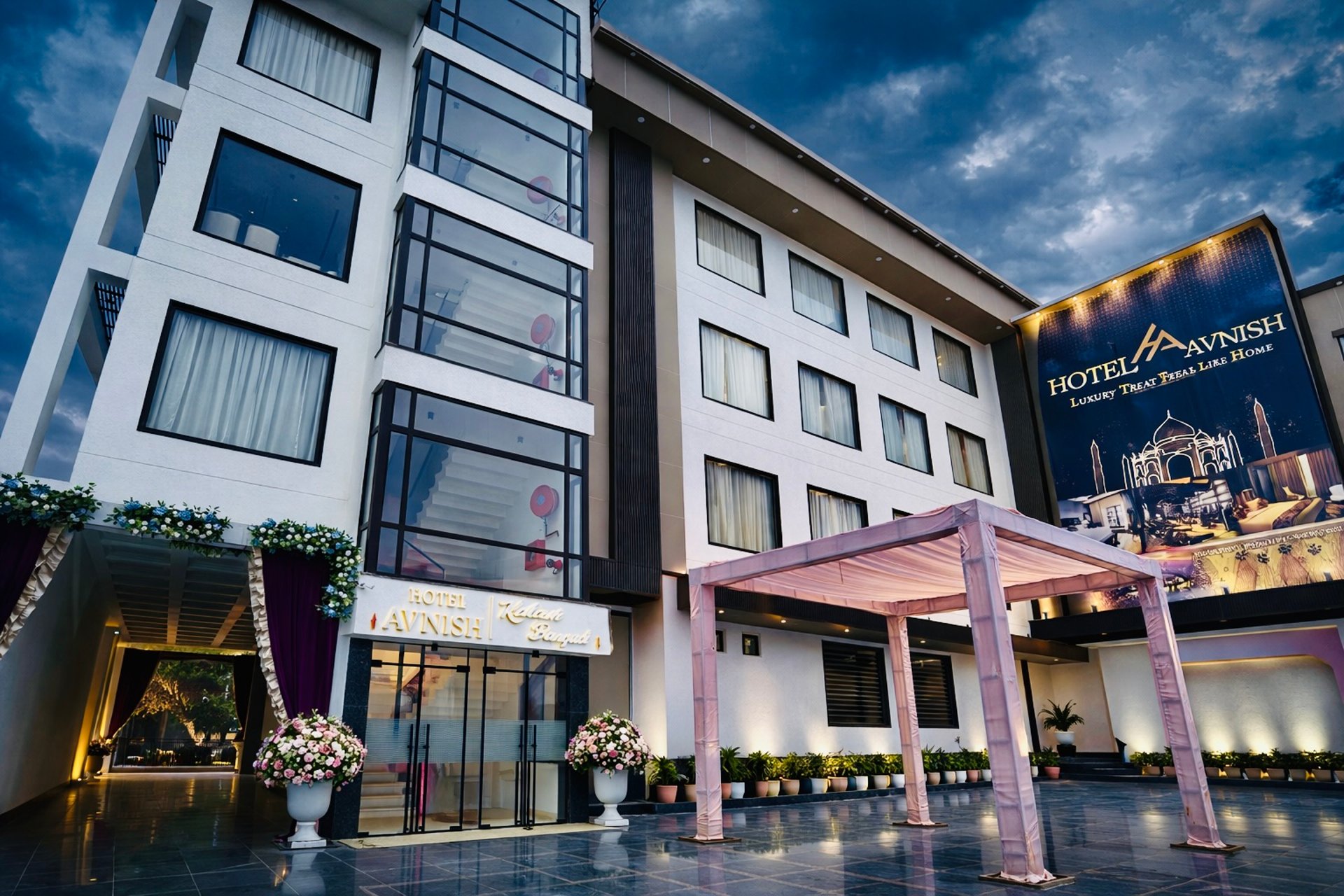
Fatehabad Road is Agra's modern face. It's lined with contemporary hotels, cafés, and restaurants, and it sits within easy reach of the Taj Mahal, Agra Fort, and most major attractions. The roads are wider, the traffic more predictable, and the infrastructure built with travelers, particularly families and international visitors, in mind. It's the area that has grown the fastest over the last decade, and properties like Hotel Avnish reflect that shift: a hospitality scene that's matured alongside rising domestic and international interest in the city. For anyone who wants convenience without sacrificing comfort, this is usually the practical choice.
Taj Ganj sits almost in the shadow of the monument itself, literally, the narrow lanes here lead directly to the Taj's south gate. This is old Agra: guesthouses stacked above spice shops, street vendors selling breakfast before sunrise, and an atmosphere thick with the kind of local texture that doesn't survive on wider roads. It suits travelers who want proximity over polish, backpackers, photographers chasing early light, and anyone who'd rather hear temple bells than air conditioning hum.
The Cantonment area is Agra's quieter register. Built during the British colonial period, it retains a residential, tree-lined character and sits close to Agra Cantt railway station, making it useful for travelers arriving by train or those who prefer distance from the tourist circuit. Its limitation is exactly its strength, it's calm, but it's also further from the action, meaning more time in transit to reach the Taj and its surrounding markets.
The Hidden Personality of Agra
What most travel guides skip is the Agra that exists between the monuments. Ask any local and they'll tell you the city runs on petha, a translucent, syrup-soaked sweet made from ash gourd, sold in shops that have been perfecting their recipes for generations, occasionally guarding them like state secrets. Breakfast, meanwhile, belongs to bedai and jalebi: a spiced, deep-fried lentil bread paired with tangy potato curry, best eaten hot at a roadside stall before the day's heat sets in.
Beyond food, Agra is a city of hands, marble inlay artisans in Taj Ganj carving semi-precious stone into flowers the width of a fingernail, and leather markets that have supplied craftsmanship for decades. Local guides love recounting the roster of famous visitors the Taj has drawn over the years, from foreign royalty to global celebrities, and there's a certain gentle amusement among residents watching the city's rhythms shift between dawn, when photographers chase the golden light, and evening, when the same streets fill with families, vendors, and the unmistakable smell of dinner being prepared. Agra by day and Agra by night are, in a sense, two different cities sharing the same address.
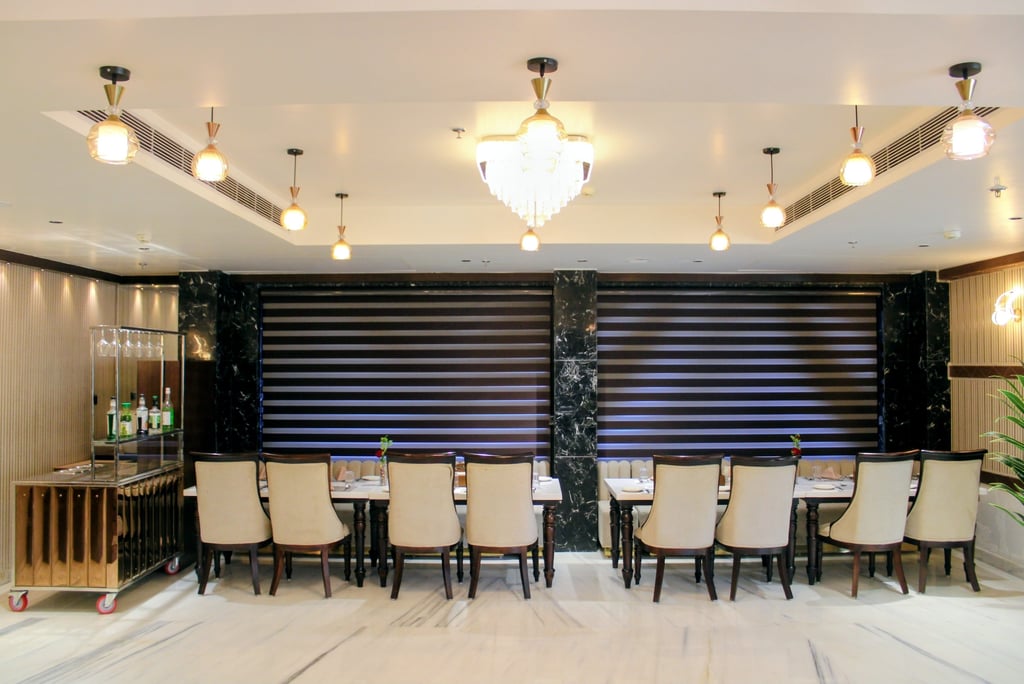
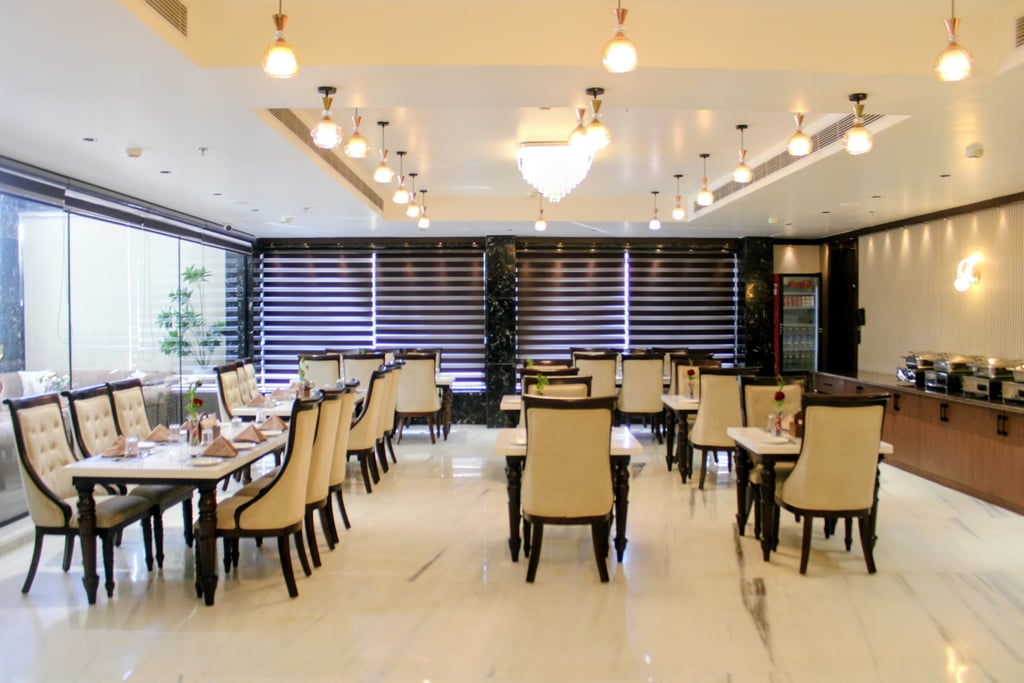
The dining scene has also quietly evolved beyond traditional Mughlai fare. Restaurants like Raasa are part of that shift, a more contemporary space where travelers often unwind over a relaxed meal after a day spent navigating monuments and markets, a reminder that Agra's food story isn't frozen in the 17th century either.
Which Area Is Best for Different Travelers?
Couples often gravitate toward Fatehabad Road, where a comfortable room and a good dinner make the day's sightseeing feel like part of a getaway rather than a checklist. Families tend to prioritize the same area for its space, reliability, and proximity to attractions that keep children from getting restless in transit. Solo travelers and budget-conscious backpackers frequently prefer Taj Ganj, where guesthouses are cheaper and the streets themselves are part of the experience. International tourists, particularly those unfamiliar with Indian traffic patterns, generally do best in Fatehabad Road for the same reasons families do, predictability and ease. Business travelers passing through for shorter stays often lean toward the Cantonment area for its quiet and rail access. And wedding guests attending events at Agra's banquet venues usually find Fatehabad Road most practical, given its cluster of event spaces and hotels built to handle larger groups comfortably.
Common Mistakes Travelers Make
The most frequent misstep is booking based on price alone, without checking how far the property sits from the Taj Mahal, a "bargain" twenty minutes away can cost more in time and taxi fares than a slightly pricier hotel within walking distance. Travelers also underestimate Agra's traffic patterns, especially around Fatehabad Road during evening hours, and end up rearranging entire itineraries around it. Others overlook dining access entirely, assuming they'll simply find something nearby, only to discover their hotel sits in a stretch with limited options after dark. And more than a few forget to factor in transportation, whether they're arriving by train, flight, or road, before choosing a neighborhood that makes that first and last leg of the journey unnecessarily complicated.